This is part of a series exploring what great mobile loyalty looks like across industries. We've built loyalty apps for fashion retailers, airlines, and grocery brands, and each vertical has taught us something different. This article closes the series.
Spend enough time building loyalty apps across different industries and a pattern emerges. Every vertical thinks its loyalty challenge is unique. Fashion brands point to low purchase frequency. Airlines point to the complexity of reward inventory. Grocery brands point to the commodity nature of their products. And they're right, each of these challenges is real and specific. But the solutions the best programs have found share more in common than the industries typically admit.
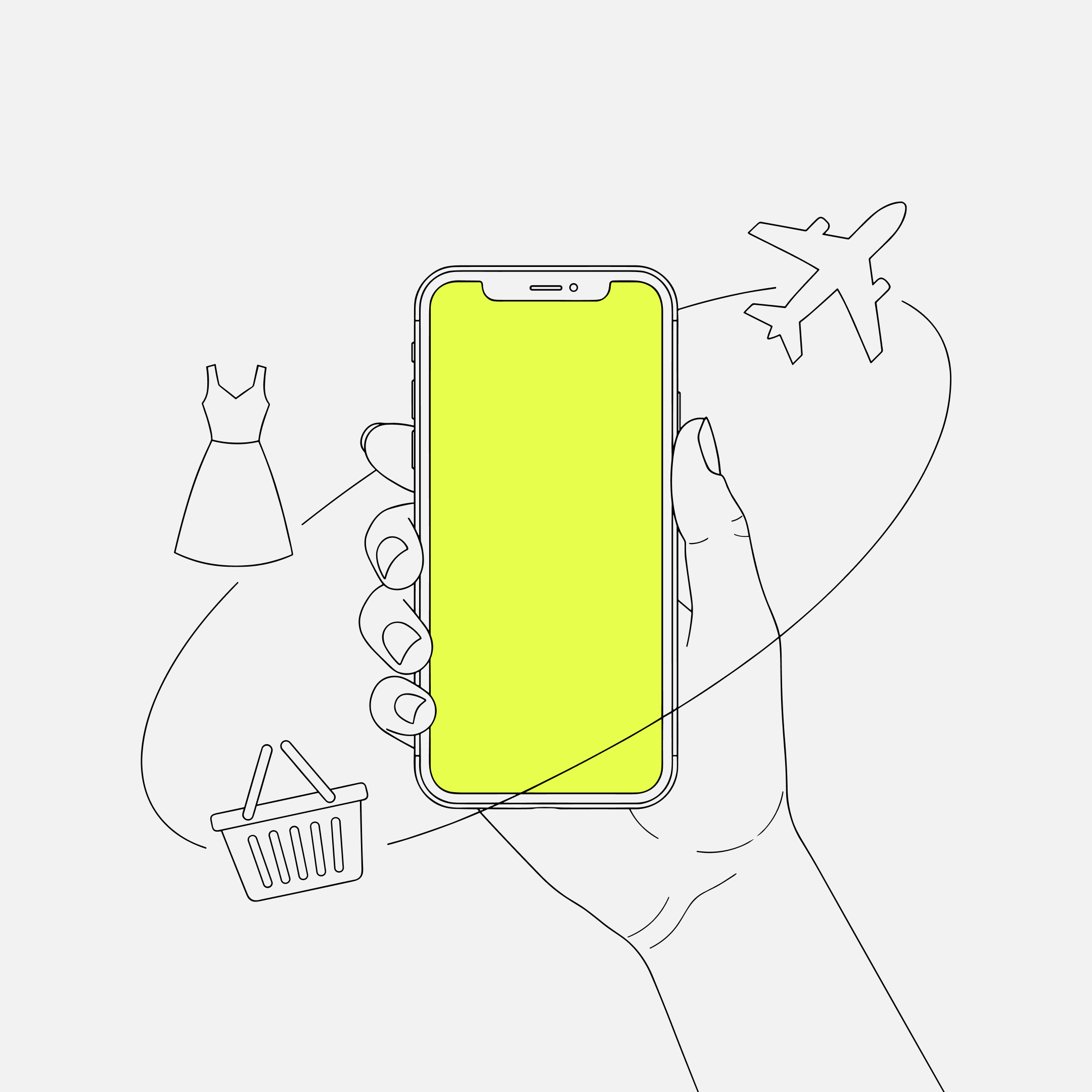
We've built mobile loyalty experiences for fashion retailers, airlines, and grocery brands. The problems looked different in each case. The instincts that solved them looked remarkably similar. Three in particular stand out, and each vertical has developed one of them further than the others.
Fashion figured out inspiration
The fashion loyalty problem is fundamentally a frequency problem. A customer might buy from a brand three or four times a year. The mobile app has to maintain a relationship across the long gaps between those moments, without a natural reason for the customer to open it.
The best fashion apps solved this by becoming something worth opening for its own sake:
- Editorial content and styling inspiration that reflects the brand's world, not just its catalog.
- Early access to new collections before they reach the general public.
- A sense of membership in something, rather than just being a recipient of promotional emails.
The app becomes a cultural object as much as a commerce tool, and that cultural presence is what keeps the brand emotionally relevant between purchases.
The lesson this holds for other verticals is underappreciated. Airline loyalty apps are almost entirely transactional: search, book, check balance. Grocery apps are almost entirely functional: offers, list, scan. Neither creates much reason to open the app when the customer isn't already mid-task. Fashion's answer, give people something they actually want to look at, applies more broadly than most loyalty teams in those categories have explored.
An airline that surfaces destination inspiration the way a fashion brand surfaces new collections would find members spending more time in the app between trips. A grocery app that treats recipe content with the editorial seriousness of a lifestyle brand would find members opening it on evenings when they're not planning to shop. The content doesn't have to be expensive to produce. It has to be genuinely worth the customer's attention.
Airlines figured out goal-driven engagement
The airline loyalty problem is a motivation problem. Members accumulate points over long periods, often without a clear sense of what they're working toward or how close they are to something meaningful. Without a visible goal, the points feel abstract and the program recedes from daily life.
The best airline loyalty apps solved this by making the goal the center of the experience. A member selects a destination, the app shows what it costs in points at different redemption levels, tracks progress, and surfaces ways to close the gap faster. Every subsequent interaction, a partner earn, a notification, a balance check, is oriented around that personal objective rather than a generic program catalog. The app becomes a planning tool for something the member actually wants, which is a fundamentally more motivating frame than a points tracker.
This goal-orientation transfers directly to other verticals and most haven't picked it up. A fashion loyalty app that helped members work toward something specific:
- Early access to a collection they've been following.
- A milestone that unlocks a meaningful experience.
- A reward tied to how they actually engage with the brand, not just how much they spend.
These would create exactly the kind of between-purchase engagement that fashion brands struggle to maintain. A grocery app that let households set goals around their eating habits, cooking more at home, reducing food waste, eating more seasonally, and tracked progress toward them, would add a layer of meaning to what is currently a purely transactional relationship.
The insight from aviation is that a personal objective is more motivating than a generic reward. Most loyalty programs offer members a menu of things they could theoretically earn. The programs that win are the ones that help members decide what they actually want and then orient the whole experience around getting there.
Grocery figured out habitual utility
The grocery loyalty problem is a differentiation problem. In a category where every major player sells broadly similar products at broadly similar prices, the loyalty program can't rely on product superiority or emotional brand affinity to do the work. It has to earn its place through genuine usefulness.
The best grocery loyalty apps solved this by inserting themselves into the part of the customer's week that happens before the shop:
- Meal planning tools that reduce the cognitive load of deciding what to eat.
- Recipe discovery that connects directly to what's in season and what's on offer.
- Shopping list building that maps ingredients to real products available in local stores.
The app that helps a household answer "what are we eating this week?" has become part of the routine in a way that a discount aggregator never could. And every week the customer uses it, the switching cost goes up. Their preferences are in the system. Their household's habits are reflected in the recommendations. Starting over somewhere else means losing something that took months to build.
This habitual utility is the most underexplored concept in fashion and airline loyalty. Fashion brands pour enormous energy into acquisition and almost none into making the post-purchase experience useful enough to keep customers coming back between buying moments. Airlines invest heavily in the booking experience and almost nothing in the period between booking and travel, when a member might be genuinely receptive to packing suggestions, destination guides, or local recommendations from the program's partners.
The grocery insight is that loyalty is a byproduct of being useful, not a program you bolt on top of a transactional relationship. The members who are most loyal to a grocery app are rarely thinking about points. They're thinking about dinner. The app earned their loyalty by solving a real problem in their week, repeatedly, until the habit was set.
The program that borrows from all three
The most interesting mobile loyalty work happening right now sits at the intersection of these three instincts. Inspiration, goal-orientation, and habitual utility are not mutually exclusive. They're complementary, and the programs that combine all three are building something qualitatively different from any single-vertical approach.
An airline app that inspired destination discovery the way a fashion app inspires style, that tracked progress toward a personal travel goal, and that inserted itself usefully into the member's daily life through partner integrations and everyday earning, would be genuinely hard to compete with. A fashion app that helped members work toward something specific, that made itself useful between purchases through styling tools and wardrobe management, and that delivered editorial content worth opening for its own sake, would create loyalty mechanics that points programs can't replicate.
The verticals have been solving the same problem from different angles. The frequency problem in fashion is the engagement problem in airlines is the differentiation problem in grocery. Each industry developed the tool that its specific constraints demanded. The opportunity now is to pick up the tools the other verticals built and apply them deliberately.
The brands that will win mobile loyalty in the next few years are the ones willing to learn from outside their own category. The answers are already there. They're just in someone else's app.